Sewage cleanup in Portland, Oregon
Why a sewage backup is an emergency, not a chore
Sewage cleanup in Portland, OR means immediate, professional removal of Category 3 black
water — raw sewage carries bacteria, viruses, and parasites that make DIY cleanup
dangerous. Portland Sewage Cleanup responds 24/7 across Portland's neighborhoods
citywide; call now before you touch standing water.
Raw sewage is classified as Category 3 black water because of what it actually contains —
bacteria like E. coli, viruses including hepatitis A, and parasites capable of making
direct contact genuinely dangerous. Porous materials it touches — drywall, carpet,
subfloor — often can't be saved once contaminated. Timing matters too: mold can begin
developing within 24 to 48 hours in wet conditions, so every hour a backup sits
untreated adds to the damage and the eventual cost.
What to do in the first hour
Shut off the water source if it's safe to do so. Keep people and pets away from the
affected area. Don't run the HVAC system if contamination is airborne-adjacent, and
don't attempt to vacuum or mop black water yourself. Call a professional immediately, and
if it's safe, start photographing the damage for your insurance claim before cleanup
begins.
Why DIY cleanup is dangerous
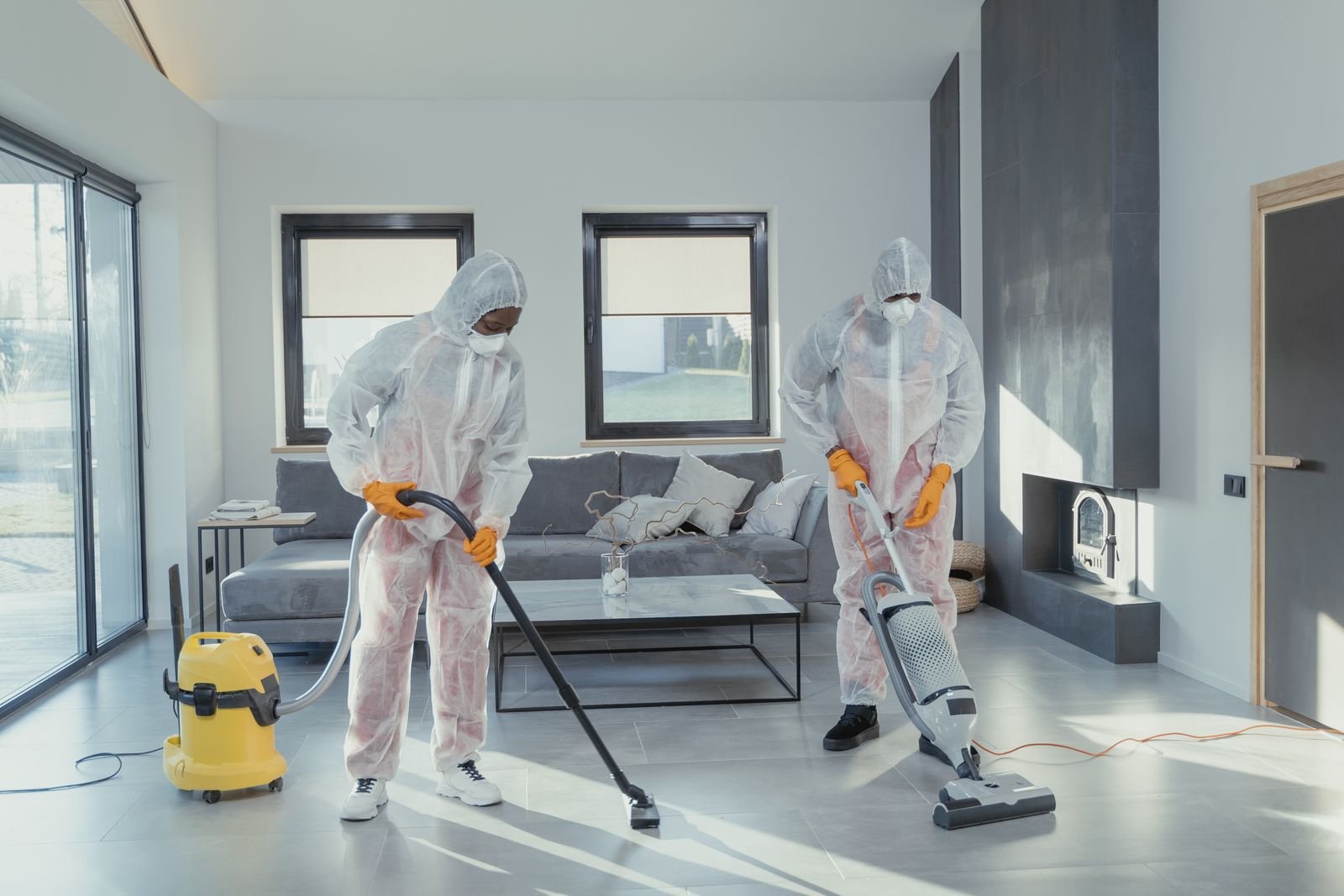
Beyond direct pathogen exposure, using household tools on black water risks
cross-contaminating unaffected parts of your home. Incomplete drying leaves hidden
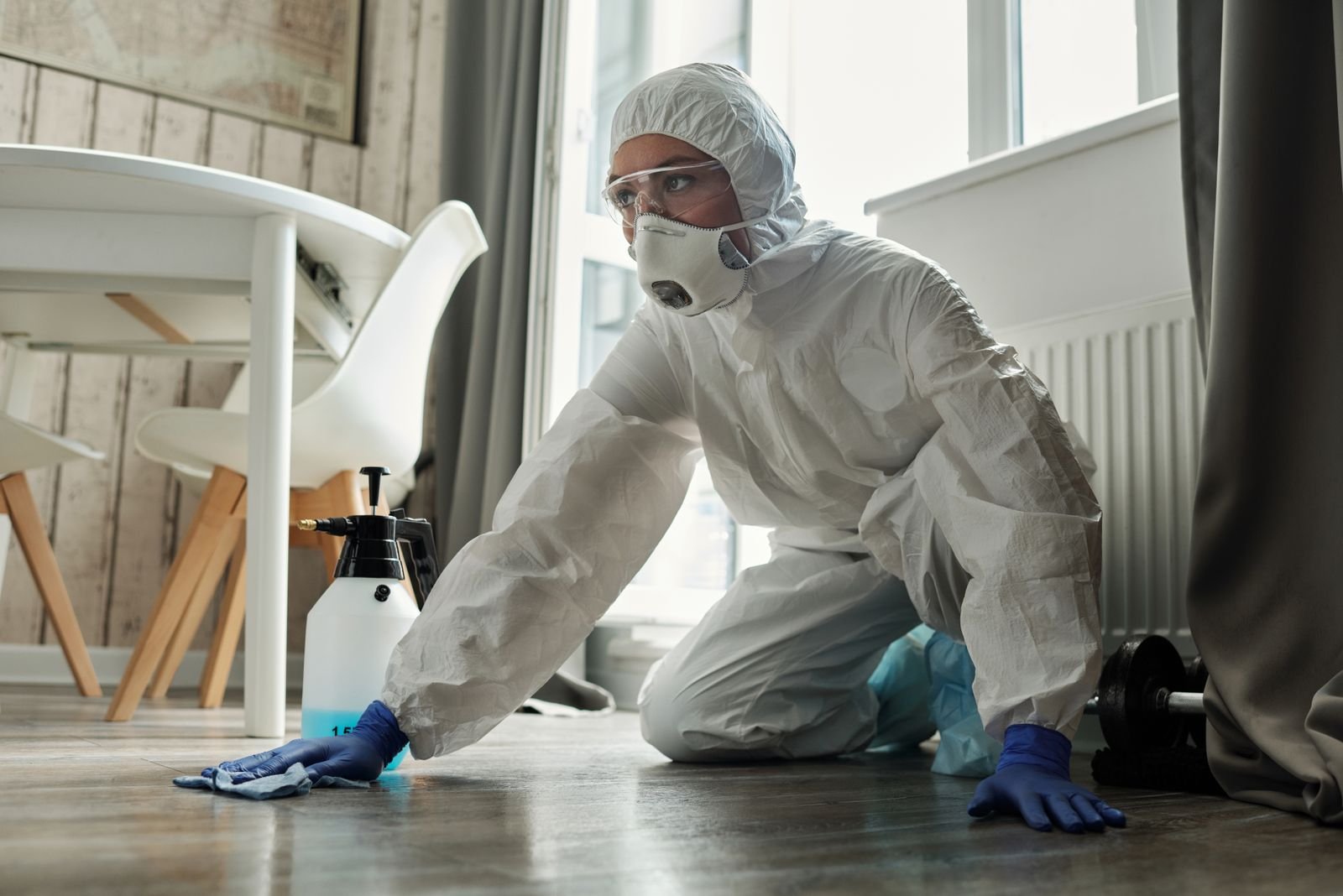
moisture behind, which is exactly how mold gets a foothold. That's why the trade uses
specific PPE — gloves, respirators, boot covers — and EPA-registered disinfectants rather
than store-bought cleaning products.
Insurance claim assistance
Category 3 water damage from a sewage backup is often covered under homeowner's or
renter's policies, but coverage varies by policy and cause — a sump pump failure and a
municipal line backup aren't always treated the same way. We document the damage
thoroughly — photos, moisture readings, an inventory of affected materials — to support
your claim. We don't give legal or insurance advice; confirm your specific coverage with
your carrier.
What our response looks like
You call, we dispatch a crew, and the response moves through assessment and containment,
extraction, disinfection and decontamination, drying and dehumidification, and full
documentation for your insurance claim. Drying and dehumidification generally takes
several days, though the exact timeline varies by scope — we verify moisture levels
rather than promising a fixed number upfront.
Understanding Category 3 water
The restoration industry classifies water damage in three tiers: Category 1 is clean
water from a sanitary source, Category 2 is gray water with some contamination, and
Category 3 is black water — sewage backups and flooding that has contacted waste are
always treated as Category 3. That classification is why this isn't a normal wet-vac job,
and why every service we offer starts from that same health-hazard baseline.