What is Category 3 black water
The restoration industry uses a three-tier classification: Category 1 is clean water from a sanitary source, Category 2 is gray water with some contamination — think washer or dishwasher overflow — and Category 3 is black water, contaminated with bacteria, viruses, and parasites. Sewage backups and flooding that contacts waste are always treated as Category 3.
Why certified equipment matters
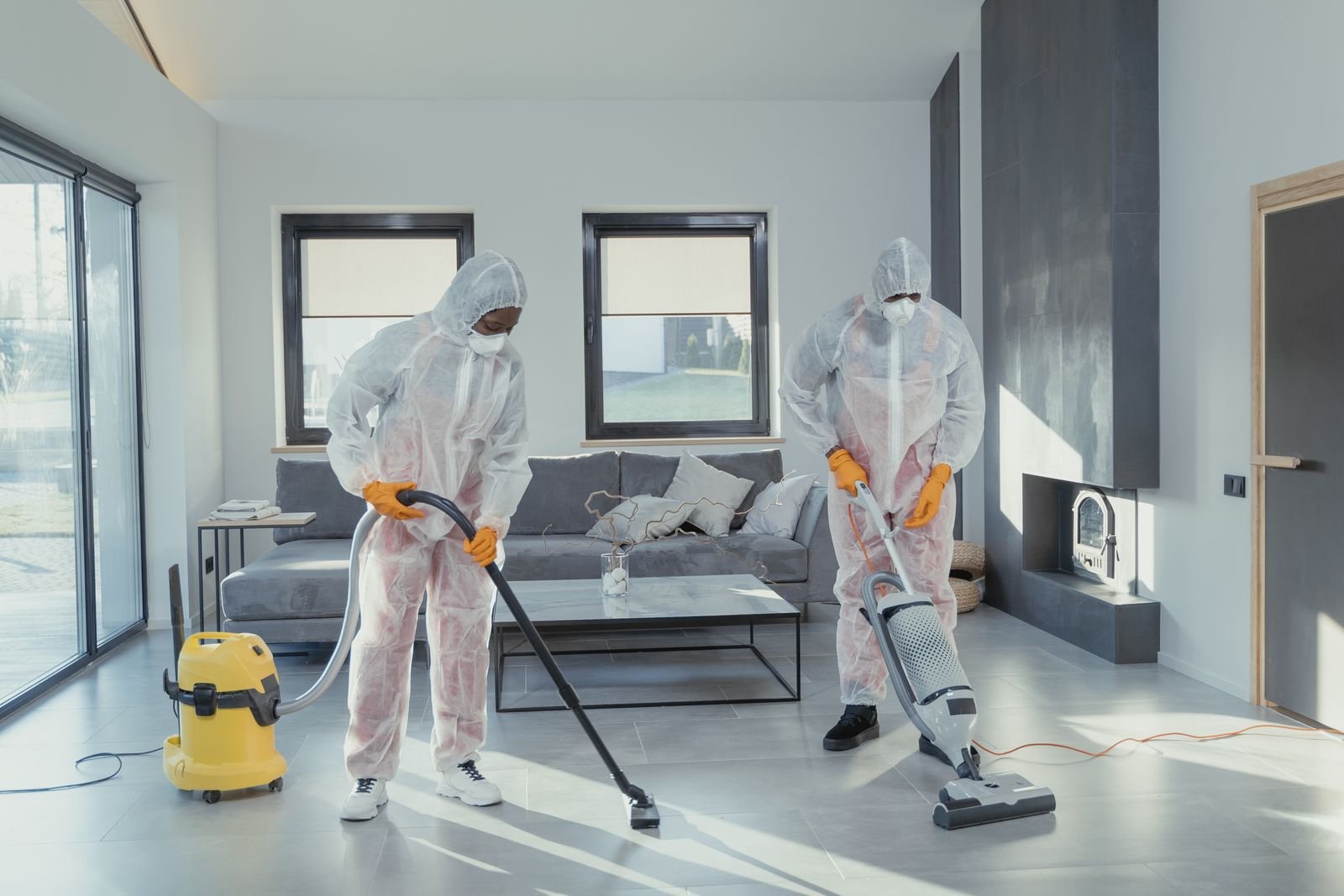
Truck-mounted extraction units and submersible pumps rated for solids and contamination, plus PPE — respirators, gloves, boot covers, protective suits — are what standard cleanup tools and household protection simply don’t provide.
What to do in the first hour
Stop water use if the source is internal. Keep people and pets away from the contaminated area. Don’t attempt extraction with household equipment. Ventilate only if it won’t spread airborne contamination. Call immediately.
Why DIY is dangerous
Pathogen exposure without proper PPE, incomplete extraction leaving contaminated moisture behind walls and under flooring, and cross-contamination if household equipment is reused elsewhere afterward are all real risks.
Our black water extraction process
Assessment and containment come first, followed by certified extraction equipment deployment, disposal of contaminated porous materials, disinfection of the remaining structure, structural drying and dehumidification, and documentation for your insurance claim. (Portland’s municipal drinking water — sourced from the Bull Run Watershed — has nothing to do with the contaminated black water this service addresses; the two systems are entirely separate.)
Insurance claim assistance
Black water damage typically requires professional documentation for a claim. We photograph, measure moisture, and log affected materials — we don’t provide legal or insurance advice.